Camera metering modes: A Beginner’s Guide: In this article, you will learn the basics of camera metering. You will learn about Matrix, Spot, Center-weighted, and Highlight priority modes and how to utilize them to create beautiful images.
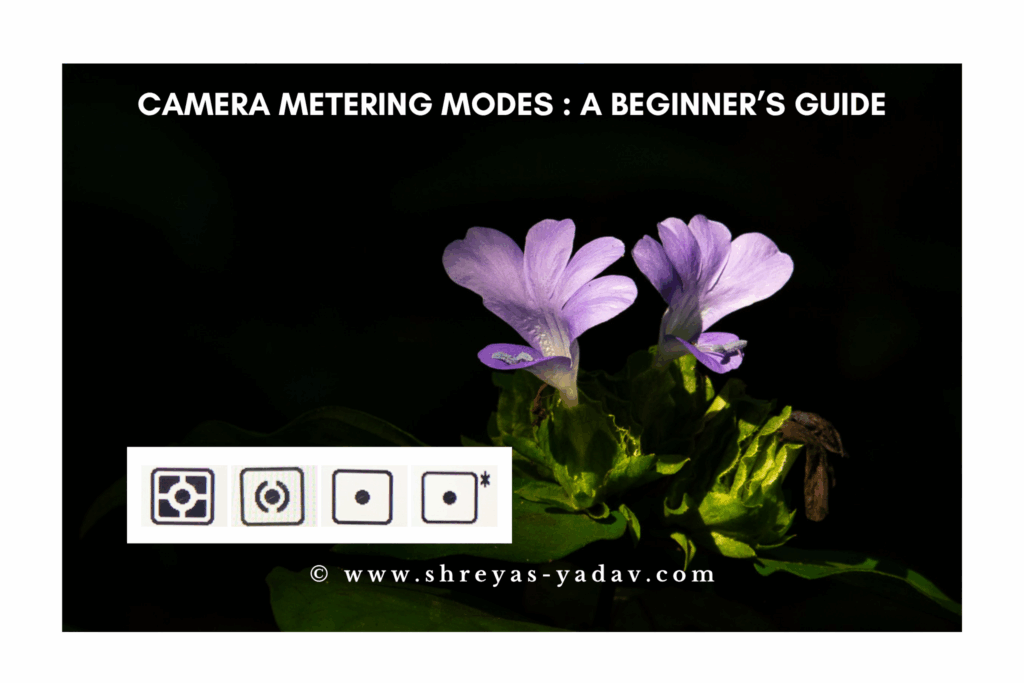
Do you find photos you take are either bright or dark? Do you struggle to get the right exposure in your images? Well, you are not alone! Getting the right exposure through your camera can be challenging initially. I remember when I had my first DSLR and was struggling to get the correct brightness in my images. Later, I learned about Camera metering modes and how they affect the image exposure.
By understanding the metering modes, you can get beautiful and artistic exposure in your images. The right metering mode will help you to create the exact exposure that you need in your image.
Today, in this tutorial, you are going to learn about
- What is camera metering?
- Type of metering modes
- How to select metering modes?
- How to fine-tune the exposure?
What is the camera metering
The camera measures light using an inbuilt light meter. Based on the light, the overall exposure of the image is adjusted. Or in simple terms camera checks how much light is available in the scene, and based on it, adjusts the overall brightness in the image.
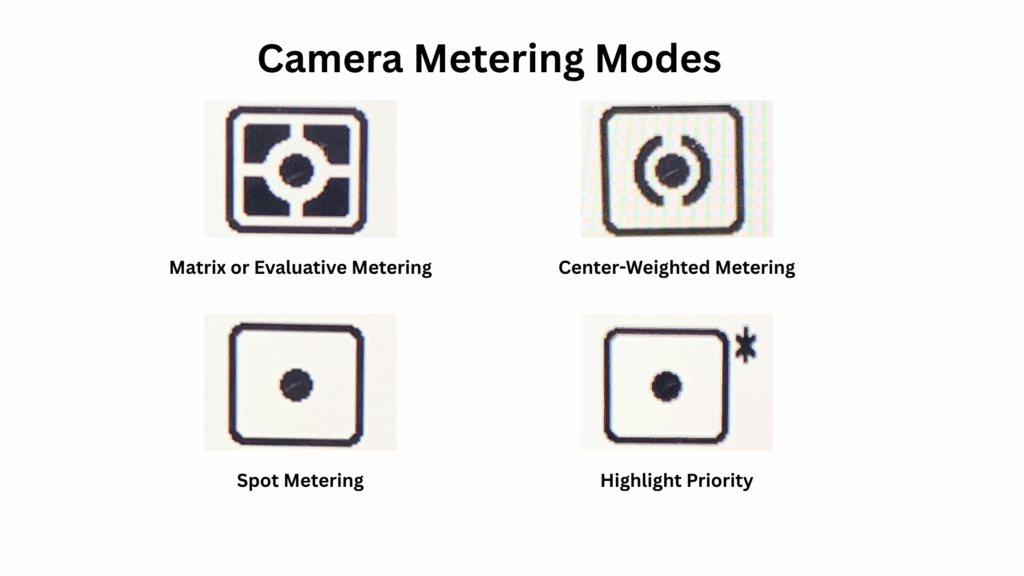
Across major camera manufacturers, there are 4 metering modes. These four metering modes determine how the camera will measure the light.
Here are the types of metering modes
Matrix or evaluative metering

The camera light meter looks for the overall light levels in the scene. It evaluates bright, dark, and midtone areas. Also, the light meter checks where you have focused. The light meter gives priority to that area. Then, the light meter produces an average exposure based on the overall scene with more priority to the area where you focused.
If the light conditions are even or it is a cloudy day, then Matrix or evaluative metering works great. Also, for most of the scenes, Matrix or evaluating metering produces good exposure results.
While you are starting to learn about metering, then Matrix or evaluating metering is a good starting point.
Spot metering


As the name suggests, the camera evaluates the light at the focus point you selected. The camera will measure and evaluate the light under the focus point. Based on the light level, the camera will adjust the exposure.
Spot metering works great when the main object is relatively smaller in the frame. In the case of bird photography, spot metering produces good results.
Center-weighted metering

Center-weighted metering works similarly to that of Spot metering, except that irrespective of the focal point, the weightage is given to the center point. Exposure at the center point is evaluated, and based on it, exposure of the whole is scene in an image is set.
Center metering works great when you want to capture portrait images with a bright light source in the background. For the portrait shots, the main object can be at the center so that the exposure of the object at the center can be evaluated. Based on that brightness of the whole scene is set. With this setup, the person’s face will be well-exposed.
For best results, use the center weighted metering with a bright light source in the background of the person. This creates beautifully exposed portrait images with bright objects such as the Sun or light in the background.
Highlight priority
Highlight priority metering works similarly to Spot metering, but it protects the highlights in an image.
The camera will consider the exposure under the focal point that you have selected. Based on the exposure of that point, the camera evaluates overall exposure. While setting up the exposure or brightness of the whole scene, the camera checks for Highlights in the image. And, in Highlight priority, the camera will protect the highlights – it will try not to blow out the highlights or underexpose them.
Highlight priority metering is required in specific conditions, such as studio lighting or concerts/events where lights are used. And exposing the main object correctly, as well as having the highlights in the image, both are important.
Now, let’s learn about how to select the metering mode.
How to select metering modes?
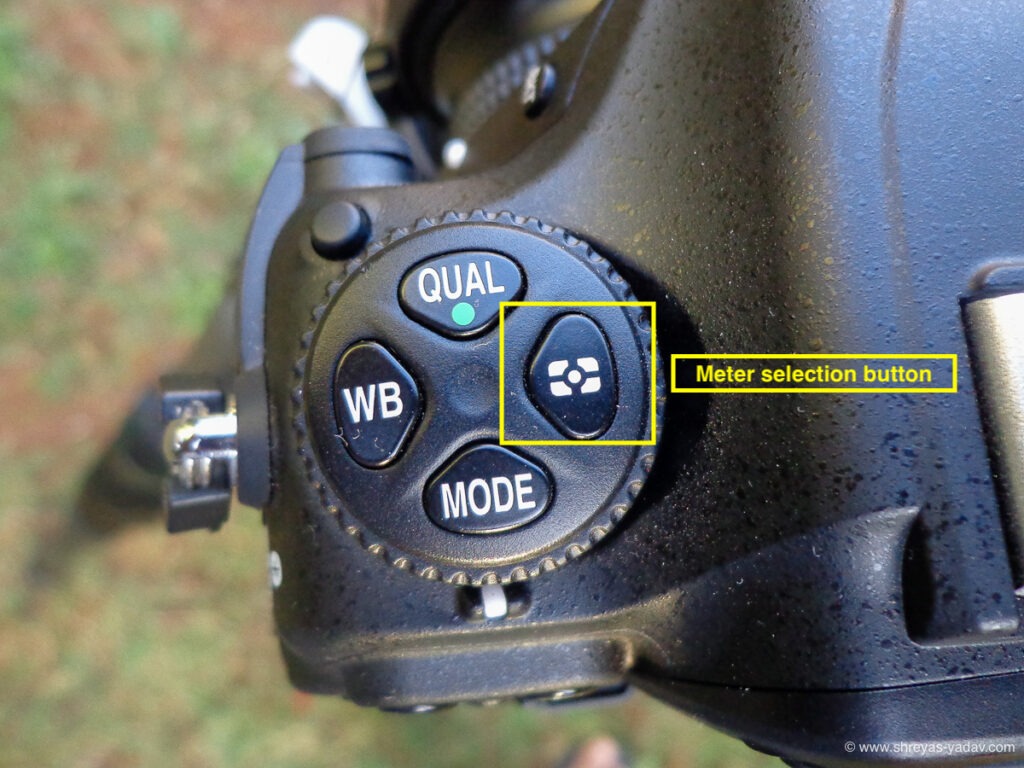
Metering mode selection varies across Camera manufacturers and the camera models
On higher-end DSLR and Mirrorless cameras, there is dedicated button to change the metering mode.
For an entry-level camera, the metering mode can be done through the Menu system.
Similarly, for Bridge cameras, you can change the metering mode by using the button on the camera if available or through the Menu system.
How to fine-tune the exposure?
As you have set the camera metering modes, in certain tricky or uneven light conditions, you may have to fine-tune the exposure. For fine tuning the exposure, use the exposure compensation option in your camera.
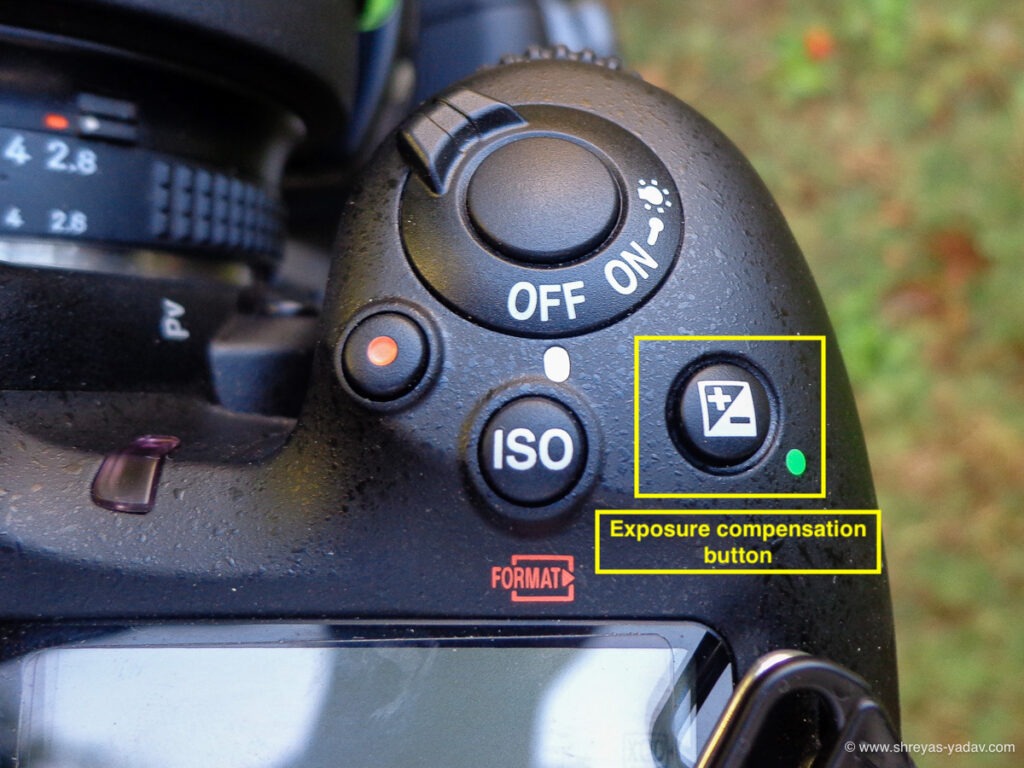

For example, Suppose you have set the camera to Matrix Metering mode. Camera will evaluate the scene and set the exposure accordingly. However, if you think the overall exposure is dark or underexposed you can use the Exposure compensation option and overexpose is as per your requirement.
Similarly, if the overall exposure is bright and overexposed to your taste, use Exposure compensation and underexpose the image.
For Spot or Center-weighted metering, you can optimize/fine-tune the exposure by using Exposure Compensation option.
Same as the metering modes, you can adjust the Exposure compensation by using button on the Camera body or by the Camera’s menu system. The exposure compensation option will be either on the camera or in the Menu system depending on the Camera manufacturer and across different camera models.

For your specific camera, refer to the camera Manual to learn about how to change Camera Metering modes and Exposure compensation.
Now I would like to hear from you.
Do you find this article useful? Or if you have any questions, I would love to hear that in the comments below
EXPLORE. PHOTOGRAPH. INSPIRE
Join our newsletter for the best articles about Digital Post-Processing and Photography techniques. No charge. No Spam. Only love.
Leave a Reply